- 前半段為文章的英文版本 (The first half is the English version)
- 後半段為中文版本 (The second half is the Mandarin version)

On February 13, U.S. President Donald Trump announced that he would implement a “reciprocal tariffs” policy. Simply put, this policy means that if any country imposes import tariffs on the U.S., the U.S. will levy the same tariff rate on that country. Trump stated that the purpose of this measure is to create a fair market competition environment. Additionally, he pointed out that if any country believes that U.S. tariffs are too high, they can choose to lower or even eliminate their tariffs on the U.S. to avoid reciprocal measures.
U.S. Secretary of Commerce Howard Lutnick revealed that the relevant plans will be completed by April 1 and could be officially launched as early as April 2. However, since the implementation date has not yet arrived, the stock markets in Asia and Europe have reacted relatively calmly. The Taiwan stock market fell by about 246 points, approximately 1%, but did not experience significant fluctuations.
Reciprocal Tariffs: Crisis or Benefit?
On the surface, Trump’s reciprocal tariff policy may escalate trade tensions between nations. However, for Taiwan, the situation may not be as pessimistic as it seems. In fact, this policy might even create certain competitive advantages for Taiwan.
Potential Opportunities in the Steel and Aluminum Industries
Take steel and aluminum as an example. Currently, the U.S. imposes 25% and 10% tariffs on Taiwanese steel and aluminum imports under Section 301 and Section 232 tariffs. However, Japan and Korea enjoy certain exemptions: Japan’s steel tariffs are waived within a specified quota, while Korea benefits from a quota system that allows some steel exports to the U.S. tariff-free. Additionally, Japan imposes a 7.5% tariff on imported aluminum, whereas Korea applies tariffs ranging from 5% to 8%.
If the U.S. fully implements reciprocal tariffs, these differences will be eliminated, giving Taiwanese steel and aluminum exporters a more level playing field against their Japanese and Korean competitors, thus increasing their competitiveness.
Automotive Parts: A Chance for Market Expansion
Another industry worth noting is automotive parts. Taiwanese automotive parts exported to the U.S. currently face tariffs of 2.5% to 5% and do not benefit from tariff reductions, as Taiwan has not signed a Free Trade Agreement (FTA) with the U.S. In contrast:
- Korean automotive parts enjoy zero tariffs due to the KORUS FTA (Korea-U.S. Free Trade Agreement).
- Japanese automotive parts also receive tariff benefits due to existing trade agreements.
However, Korea and Japan impose tariffs of 3% and 8% respectively on imported automotive parts. If the U.S. enforces reciprocal tariffs, Taiwan’s disadvantage in the U.S. automotive parts market will be reduced or even eliminated. This could reshape the competitive landscape, allowing Taiwan to strengthen its presence in this sector.
Other Benefiting Industries
Beyond steel, aluminum, and automotive parts, Taiwan’s machine tools, industrial machinery, bicycles and components, solar energy equipment, and medical devices industries could also benefit from the reciprocal tariff policy.
Due to Taiwan’s unique geopolitical situation, advancing FTA negotiations has always been challenging. Meanwhile, Japan and Korea have signed more FTAs globally, putting Taiwan’s exporters at a competitive disadvantage. However, if the U.S. enforces reciprocal tariffs, it could create a fairer competitive environment and narrow the tariff gap with key competitors. With strong product and service quality, Taiwanese firms could gain an advantage in the U.S. market.
Taiwan’s Response and Market Trends
Interestingly, the Taiwan stock market’s recent trends seem to reflect these expectations. While TSMC’s stock performance has been relatively subdued, other industries have shown positive growth. This suggests that many exporters may see reciprocal tariffs as an opportunity—reducing international trade asymmetries while potentially enhancing industry competitiveness.
Trump’s reciprocal tariff policy will undoubtedly change the rules of the global trade game. However, for Taiwan, this may not be just a challenge but also a hidden opportunity. From steel to automotive parts and high-value-added industries, Taiwanese businesses can leverage this policy shift to gain a stronger foothold in the U.S. market.
====
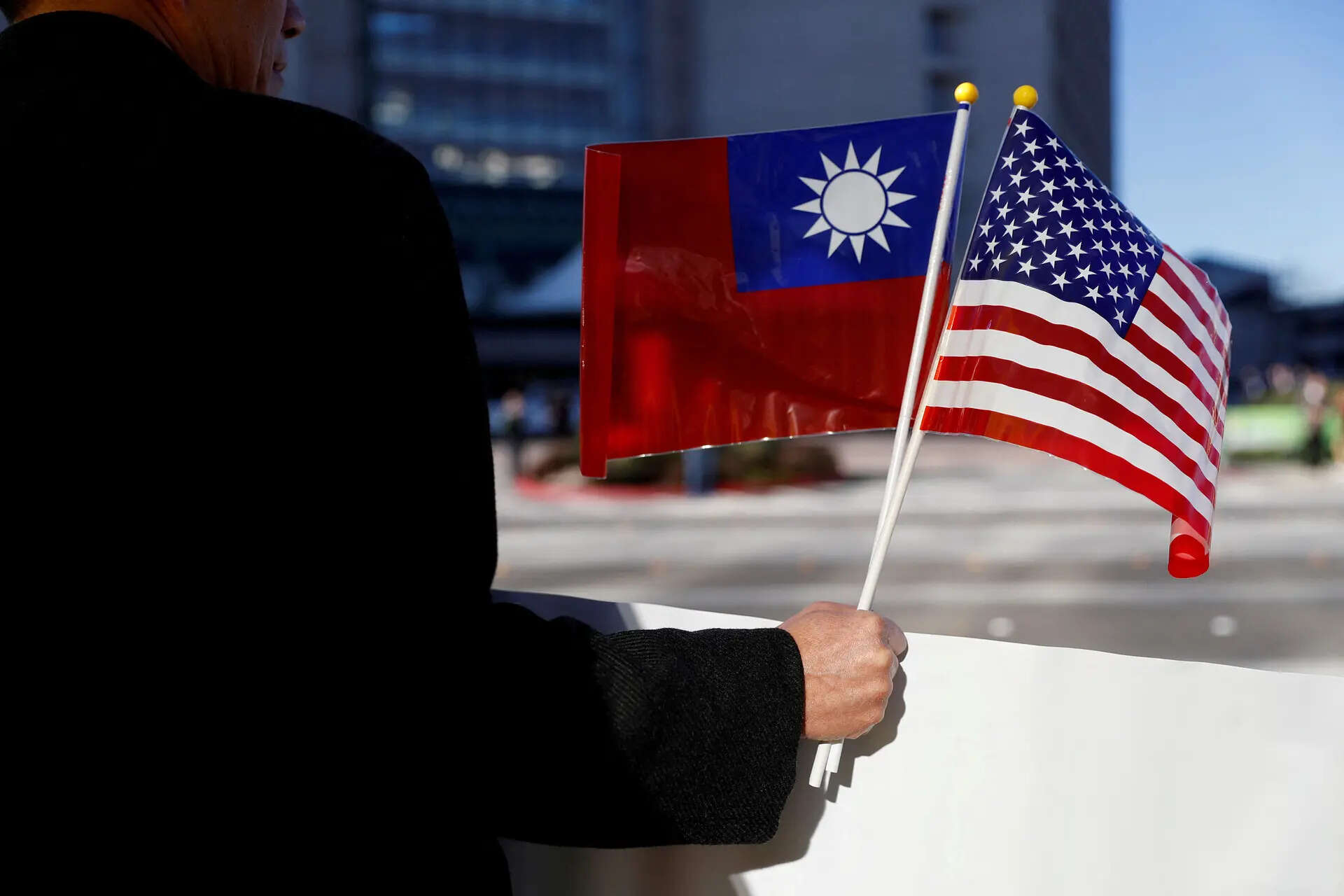
美國總統川普在2月13日宣布,他將實施「對等關稅」(reciprocal tariffs)政策。簡單來說,這項政策意味著,任何國家對美國徵多少進口關稅,美國就會對該國徵收相同的稅率。川普表示,這麼做的目的是打造公平的市場競爭環境。此外,他還指出,若有國家認為美國的關稅過高,可以選擇減低甚至取消對美國的關稅來避免美國的對等措施。
美國商務部長盧特尼克(Howard Lutnick)透露,相關計畫將在4月1日前完成,可能最快於4月2日正式啟動。然而,由於實施日期尚未到來,目前亞洲及歐洲的股市反應普遍平穩。台灣股市儘管下跌約246點,幅度約1%,也未出現重大波動。
對等關稅是危機還是利多?
表面上看來,川普的對等關稅政策可能會加劇國與國之間的貿易緊張,但對於台灣來說,情況可能沒那麼悲觀。事實上,這項政策甚至可以為台灣創造部分競爭優勢。
鋼鐵與鋁產業的潛在機遇
以鋼鐵與鋁為例,目前美國依據301條款和232條款,對台灣輸美鋼鐵與鋁產品分別徵收25%和10%的關稅。然而,日本和韓國卻享有部分優惠:日本的鋼鐵關稅在一定配額內免稅,韓國則透過配額制度,部分鋼鐵出口可免關稅。此外,日本對美進口鋁課徵約7.5%的關稅,韓國則為5%-8%不等。倘若美國全面啟動對等關稅後,這些差異會被拉平,台灣的鋼鐵及鋁出口商與日本、韓國相比反而會更具競爭力。
汽車零組件:逆勢翻身的契機
同樣值得關注的還有汽車零組件產業。台灣出口至美國的汽車零組件目前被徵收2.5%到5%的關稅,且因為台灣並未與美國簽署自由貿易協定(FTA),無法享有進一步減免。相對來說,韓國和日本因已簽署相關協議,其汽車零組件出口幾乎免稅。但韓國和日本對進口零組件分別徵收3%和8%的關稅。倘若對等關稅政策實施,台灣在這一領域的美國市場劣勢將被削弱,甚至還可能逆勢崛起,對市場競爭格局帶來改變。
其他受惠產業
除了鋼鐵、鋁和汽車零組件,對等關稅政策可能也會間接惠及台灣其他產業,如工具機、機械設備、自行車及零件、太陽能設備和醫療器材等。由於台灣在國際上因政治因素,推進FTA等貿易協商往往舉步維艱。相比之下,日本和韓國的全球FTA覆蓋率明顯高於台灣,導致台灣出口商常處於競爭劣勢。然而,美國對等關稅政策的實施,可能為台灣創造更公平的競爭起點,縮小與主要競爭對手的關稅差距。台灣廠商若能善用自身產品與服務的競爭力,將有望在美國市場脫穎而出。
台灣的因應
有趣的是,台灣股票市場的反應似乎呼應了這些趨勢。在近期交易中,台積電的股價表現相對受壓,但其他產業卻相繼冒出好表現。這或許是因為對等關稅政策對許多出口商形成了激勵效應:一方面減少了國際賽局的不對稱條件,另一方面還可能帶動產業競爭力提振。
川普的對等關稅政策無疑會改變國際市場的遊戲規則,但對台灣來說,它可能並非單純的挑戰,而更是一種潛藏的機會。從鋼鐵到汽車零組件,再到其他高附加值產業,台灣企業可以透過這個契機,在美國市場上爭取更大的主動權。
One thought on “The Impact of Trump’s Reciprocal Tariff Policy on Taiwan: Threat or Opportunity? (川普的對等關稅政策對台灣的影響:威脅還是機遇?)”